01Before the session
Instructor self-check
- Be alert and free from impairment by alcohol or drugs. Do not use trails or lifts while impaired.
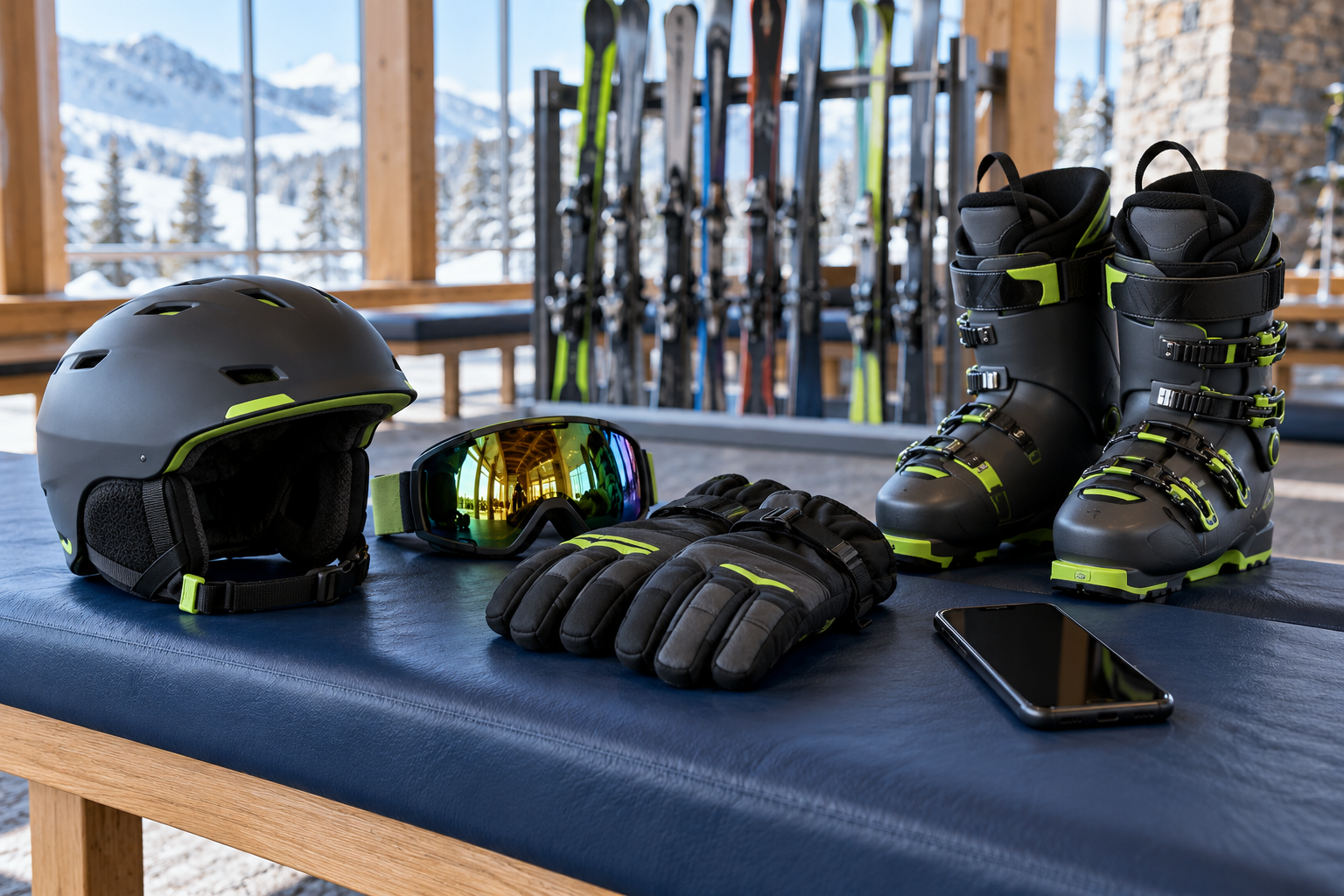
- Check that your helmet is fastened and has no cracks, your bindings and boot buckles are secure, and you have a charged phone.
- Check the student’s equipment: helmet fit, boot and ski or snowboard compatibility, and devices that prevent equipment from coming loose or running away.
Assess terrain & conditions
- Assess the weather, visibility and snow conditions. Choose trails and an exit route that suit the group’s or student’s ability, keeping the session within safe, controllable limits.
- Identify and follow closures, warnings and temporary controls. Obey signs and warnings; never enter a closed trail.
Check students on arrival
- Confirm each student’s name.
- Confirm group assignments and who will cover the rear. Dynamic Group Sessions must have a lead instructor and a sweep instructor.
Refusing or ending a session because of impairment
If, before or during a session, a student shows clear signs of impairment by alcohol or drugs—such as a strong smell of alcohol, an unsteady gait, slurred speech, slow responses, abnormal pupils or inability to follow basic safety instructions—the instructor may refuse or immediately end the session on safety grounds. Notify the TXSNOW staff member on duty immediately. Request assistance from Ski Patrol or resort security if necessary.
Documenting what happened
Prioritise written and time-stamped notes and witness accounts. If there is a significant dispute, limited video recording may be used only in a public area and only where permitted by law and resort rules. Keep any recording brief and exclude front-facing images of faces, identity-document details and minors. Use it only for internal compliance and insurance claims, and retain or delete it in accordance with TXSNOW’s Privacy Policy.
Safety briefing
One-minute script
“Today we’ll learn while staying in control. People ahead of you or downhill have the right of way. Stop where you can be seen from above, without blocking the trail. Look uphill before joining a trail or setting off. Obey signs and closures, and never ski or ride while impaired by alcohol or drugs. If you’re involved in a collision, stay at the scene and give Ski Patrol your contact details.”
“Your session runs within its booked time slot. Late arrival or interruptions do not extend the session. Follow your instructor’s directions—safety comes first.”
02Throughout the session
Stay in control
- Set the pace and route for the least able student.
- Watch blind spots and places where traffic converges, and maintain control.
Group formation & spacing
- Arrange the group in a winding line or a spread-out fan formation.
- Give a verbal cue and make a visual check before changing formation.
- Look uphill and yield before merging or setting off.
Five places you must not stop
Stop where you can be seen from above. Do not sit on a downhill trail or obstruct traffic, and move out of the fall line promptly.
- Directly beneath lifts or around lift towers, including the area under the chairlift or cable line and anywhere falling objects could land.
- In areas where snow is being made or spread, or pipes and cables are being laid—including around snow guns, water or electrical lines, hoses and electrical boxes.
- In grooming-machine or winch-cat operating areas, or within areas marked by flashing warning lights. Never cross or approach a winch cable.
- On blind slopes, on the inside of bends, at narrow bottlenecks or merging points, or at terrain-park entrances or landing areas.
- At trail intersections, at a Ski Patrol rescue scene or uphill of another session group.
Right of way
- People downhill have priority.
- Yield when joining from the side or uphill. People ahead of you or downhill have the right of way.
Signs & closures
- Everyone must obey signs, warnings and hazard markers.
- Never enter closed trails or areas.
Lift safety
- Use a lift only when the student knows how to load, ride and unload safely, and is physically able to do so.
- Anyone unfamiliar with the lift must ask staff for assistance.
Prevent runaway equipment
- Secure and retrieve dropped skis, snowboards or poles immediately to prevent runaway equipment. If needed, set up a warning uphill of the area.
Keep your attention on the session
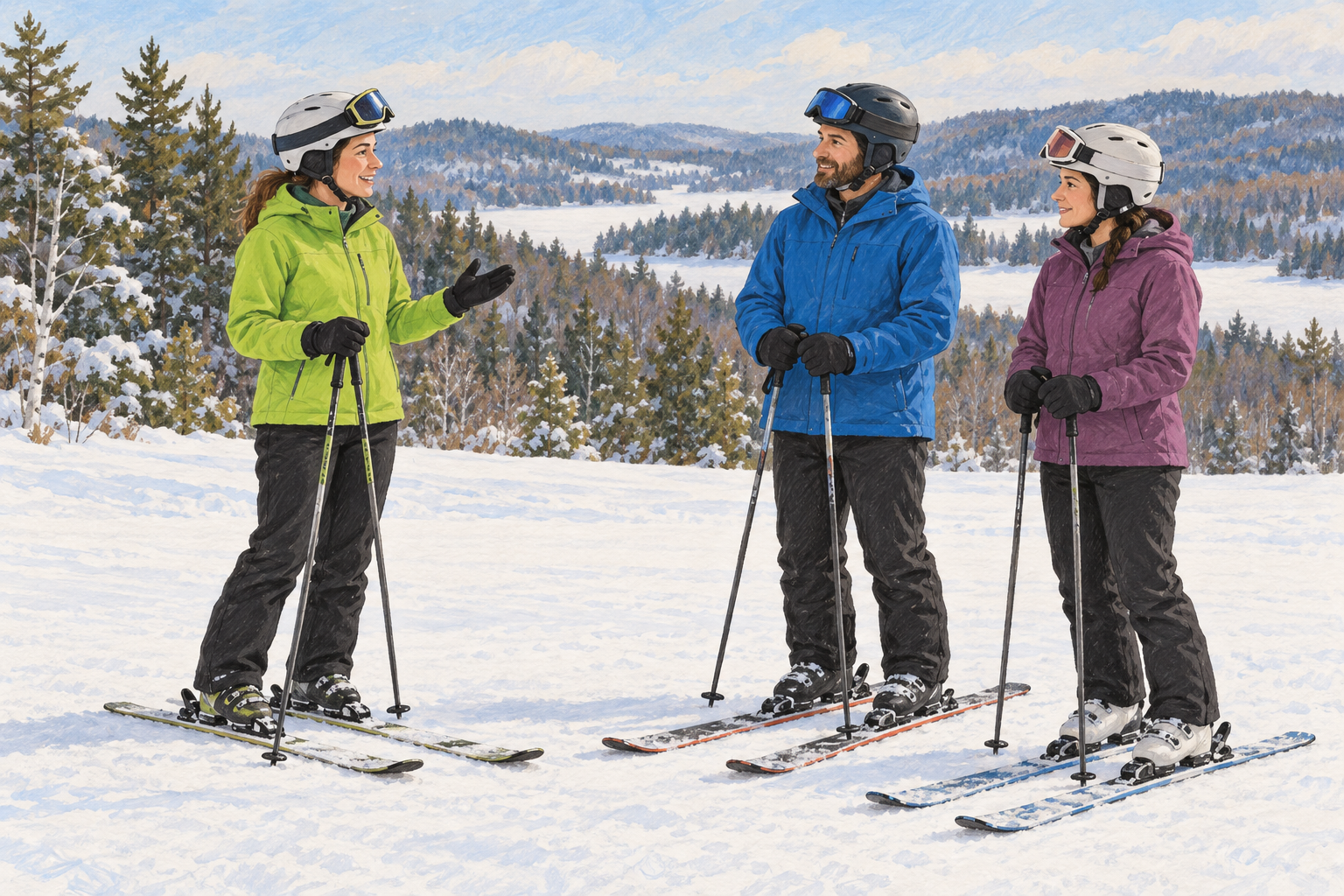
- Do not stop or linger to chat with people you meet. Never leave students to one side without supervision.
Manage outside interruptions
- If someone outside the session approaches to greet, chat with or photograph the instructor or a student, politely say, “We’re in a session right now. Please catch up with us afterwards.” Immediately regroup and make sure all students are in view.
Dynamic Group Sessions: temporary departures, illness & injury
| Situation | How the instructors divide responsibilities |
|---|---|
| A student needs to leave the group temporarily1:3 | For equipment adjustments, a rest, a washroom break or a visit to the first-aid room, one instructor accompanies the student while the other continues with the remaining students. For example, if one student leaves, the instructor who stays continues the session with the other three. |
| Only an instructor needs to leave temporarily1:4 | If one instructor temporarily leaves to assist with a situation or because of an injury, and all four students remain, the other instructor temporarily leads all four students. |
Resume teaching with both instructors once the group is back together. If the session needs to end, follow the applicable rules.
Procedure for temporary departures, illness & injury
Brief the other instructor directly
The accompanying instructor must brief the instructor staying with the group in person or by phone, not by message, as messages may go unseen. Cover the time, location, reason, destination, expected duration and next meeting point. Post a brief update in the operations group if needed.
Continue with the remaining students
The instructor who stays selects low-risk routes and exercises. Before each run or start, visually confirm the number of students and that everyone is safe.
Stay in contact & arrange where to meet
Plan a meeting point and stop where you can be seen. Keep your phone available to answer calls. If the student is being accompanied to Ski Patrol or medical care, record the incident number.
Reunite or end the session
Once the situation has been handled, the accompanying instructor returns to the agreed meeting point. If the student cannot resume the session, follow the TXSNOW Session Purchase and Service Agreement.
Complete separate reports
If an incident occurs, both instructors must complete their own incident report, including the basic facts and timeline, and submit it within 24 hours after the session ends.